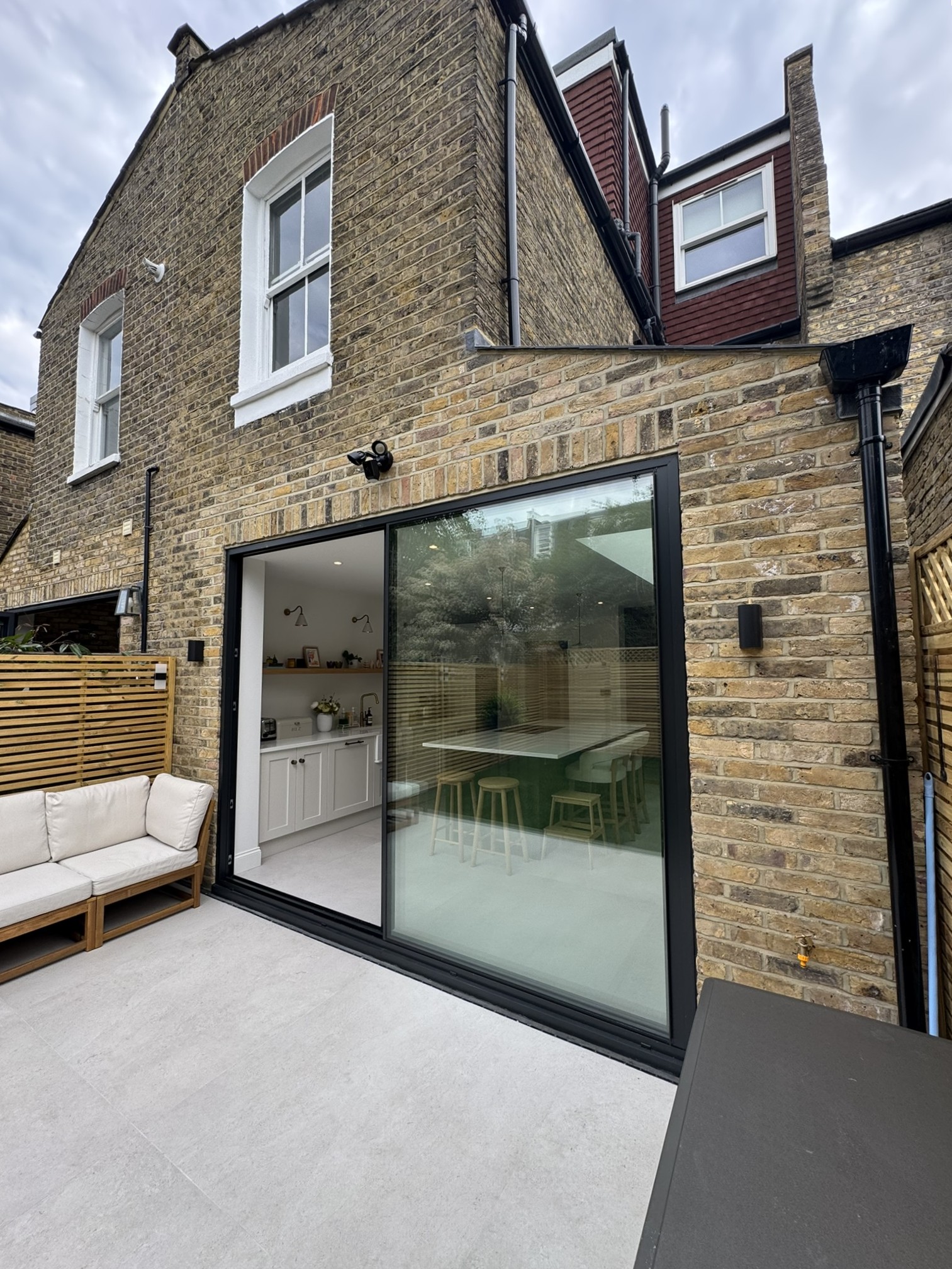
Cost planning is more than adding up materials
A strong estimate translates drawings and specifications into measurable work. It helps the client understand what is driving the budget and gives the construction team a baseline for procurement and delivery.

Detailed quotations make decisions easier
Bashtan’s published process describes preparing a fixed, line-by-line quotation after reviewing the drawings and visiting the site. Breaking work down into meaningful items makes it easier to see what is included and to identify where a design decision has a cost consequence.
Measure before you optimise
Before reducing a cost, it helps to understand it. Quantity surveying and detailed estimating can identify expensive areas such as structural steel, bespoke glazing, complex finishes or labour-intensive details. The team can then discuss alternatives rather than applying arbitrary cuts.
Protect the important parts
Good value engineering protects the elements that matter for safety, compliance, waterproofing, structure and long-term performance. Savings should come from unnecessary complexity or alternative ways of achieving the brief, not from hiding a lower standard.
Keep the budget live
Cost control should continue after the quotation. Changes should be priced and agreed clearly so the client can see the effect on the overall budget before committing where possible.
A better conversation about money
The purpose of professional cost planning is to help the client make informed choices. It turns the budget from a surprise at the end into a management tool throughout the project.
Frequently Asked Questions